
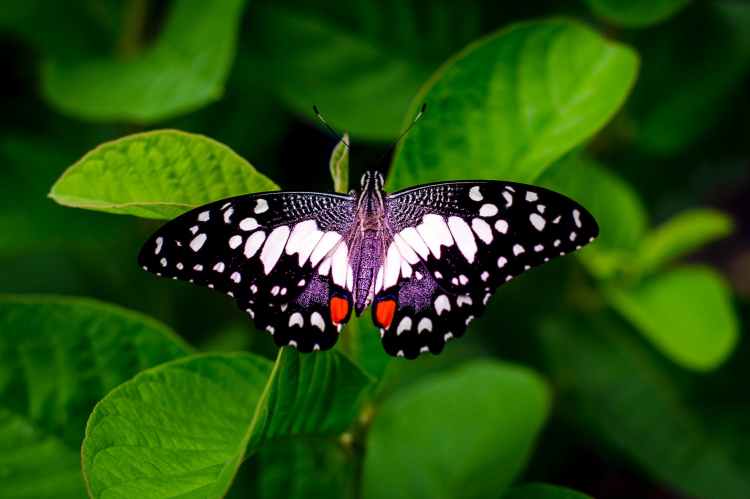
A copy of the Living World sections of
the K-6 and 7-10 NSW Science syllabuses
can be found here.
From the K-6 Syllabus:
“The Living World strand explores living things and their needs. The key concepts developed within this strand are: living things have similar characteristics; are interdependent and interact with each other and their environment; living things and their features are related to the environments in which they live. Through this strand, students explore life cycles, structural adaptations and behaviours of living things. These developmental features and characteristics aid survival in particular environments.
Food and fibre are the human-produced or harvested resources used to directly sustain human life and are produced in managed environments, such as farms and plantations. Students develop knowledge and understanding about the managed systems that produce food and fibre through creating designed solutions. Students also develop knowledge, understanding and an appreciation for a variety of foods, sound nutrition principles and food preparation skills when making food decisions.”
From the 7-10 Syllabus:
“The Living World strand is concerned with understanding living things. The key concepts developed within this strand are that the cell is the basic unit of life and that there is a diverse range of living things that have evolved on Earth. Students will gain an appreciation of the interdependence of living things and how they interact with each other and the environment. Through this strand students gain an understanding of how the structure of living things relates to the functions that their body systems perform and how these features aid their survival.”
Early Stage 1: Characteristics and Basic Needs of Living Things
Early Stage 1: Using Living Things as Food and Fibre
Stage 1: External Features of Living Things
Stage 1: Living Things Live in Different Places
Stage 1: Living Things Change
Stage 1: Plants and Animals Used for Food and Fibre
Stage 2: Classification of Living Things
Stage 2: Life Cycles of Living Things
Stage 2: Survival of Living Things
Stage 2: Producing Food and Fibre from Living Things
Stage 3: Growth and Survival of Living Things
Stage 3: Adaptations of Living Things
Stage 3: Sustainably Managing Environments to Source Food and Fibre

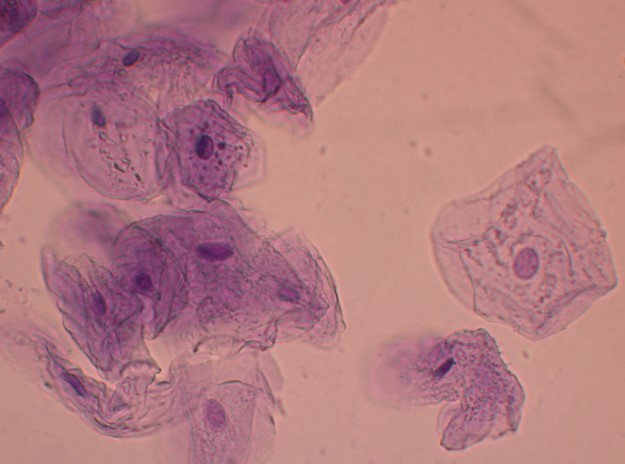


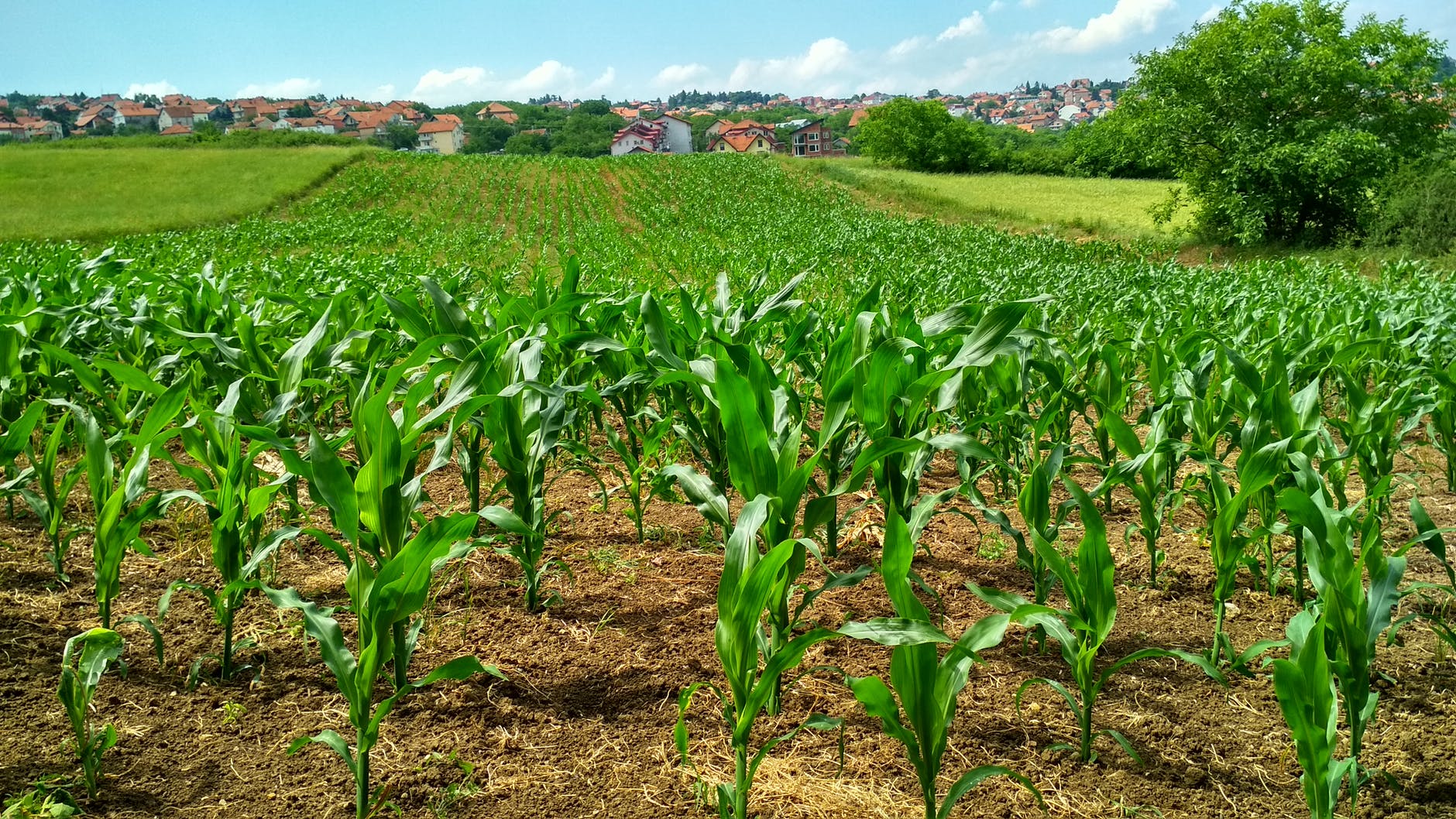
Stage 4: Additional Content


Stage 5: Additional Content
 STEM Vault